Veneers are one of the most comprehensive cosmetic solutions available, but in addition to their beauty and their ability to conceal multiple flaws at once, they are also highly durable and can last for several years! That said, they aren’t immune to coming loose or falling off entirely. Whether it happens while eating, brushing, or out of nowhere, it can be a stressful experience until you see your dentist. Here’s how you should handle this situation.
Steps to Take If Your Veneer Falls Off
If your veneer comes off, try to stay calm and follow these steps:
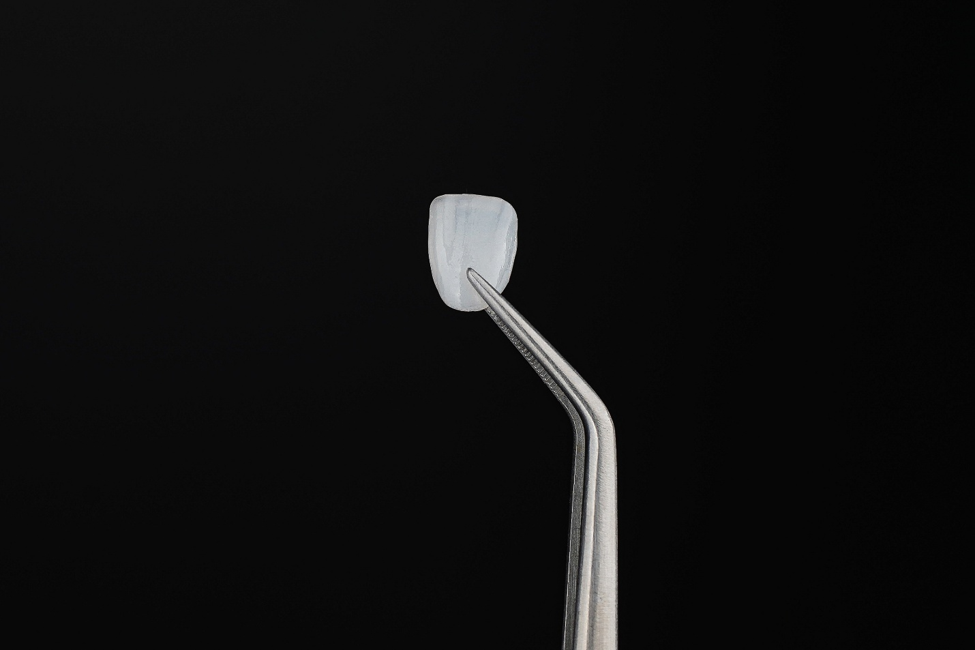
- Locate the veneer – Once you’ve found it, keep it in a safe, clean container since your dentist may be able to reattach it.
- Protect the exposed tooth – The tooth underneath may feel sensitive, so avoid extreme temperatures and hard foods until it’s repaired.
- Cover any sharp edges – If the exposed tooth feels rough or sharp, dental wax can help prevent irritation to your cheek or tongue.
- Call your dentist promptly – The sooner you schedule an appointment, the sooner your veneer can be reattached or replaced.
Your dentist will first examine the exposed tooth to check for any damage or decay. If the veneer itself is undamaged, it may be possible to simply reattach it. However, if it’s cracked, chipped, or too worn to reuse, a new veneer will need to be crafted.
How to Prevent Veneers from Falling Off in the Future
A few simple habits can go a long way in helping your veneers stay securely in place for years to come:
- Avoid using your teeth as tools – Opening packages, tearing tags, or holding items with your teeth puts unnecessary stress on your veneers. Use scissors or another tool instead.
- Wear a nightguard if you grind your teeth – Teeth grinding, or bruxism, places excess pressure on veneers, especially overnight when it’s hardest to control. A custom nightguard can help absorb that pressure and protect your smile while you sleep.
- Skip hard or crunchy foods when possible – Biting into ice, hard candies, or foods like nuts and popcorn kernels can chip or dislodge a veneer. Cutting these foods into smaller pieces first can help reduce the risk.
- Keep up with your at-home oral hygiene – Brushing and flossing consistently helps prevent decay from developing underneath a veneer, which can compromise its fit and stability. You also shouldn’t skip routine preventive dental visits.
If you lose your veneer, you shouldn’t panic, but you should act quickly—and by following these habits, this situation is less likely to even occur in the first place!
About the Practice
Here at iSmile Dental, we offer a wide range of preventive, restorative, and cosmetic treatment options to patients near Hulen, Chisholm Trail, and La Gran Plaza—including veneers for those who’d like to improve their smiles. We also offer same-day emergency dentistry. If you have any questions about the blog or you’re ready to schedule an appointment, feel free to reach out online or call today for more information or assistance. Hulen Office Telephone: (817) 292-9500.